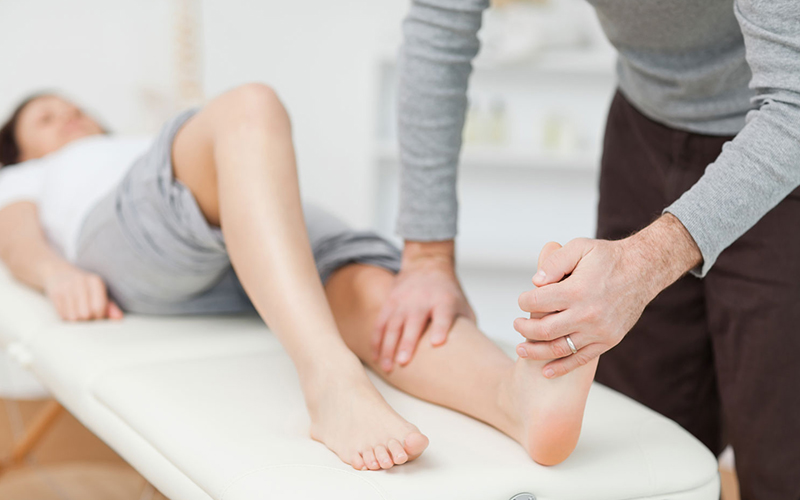
what is paralysis?
Paralysis, simply put, is the loss of muscle function in part or full body of an Individual. Paralysis can be gradual or sudden without any symptoms. Some forms of paralysis are curable through proper vaccination and physiotherapy.
what are types of paralysis?
It comes in many forms, and the extent to which a person is immobilised may change over time as physical therapy, changes in health and sheer luck alter the way the body responds to physical damage. Typically paralysis is divided into four categories, though there are uncountable ways that the body can be injured. The four types of paralysis are:
- Monoplegia – paralysis accompanied with involuntary tremors.
- Hemiplagia – paralysis of the one side of the body – face, arms and legs.
- Paraplegia – paralysis of the lower half of the body.
- Quadriplegia – paralysis of the arms and legs.
1. Monoplegia:
Monoplegia is a paralysis that denotes partial or complete loss of voluntary motor function in one limb. Monoplegia affected people retain control over the rest of their body, but cannot move or feel sensations in the affected limb.
2. Hemiplegia:
Hemiplegia affects an arm and a leg on the same side of the body. Hemiplegia often begins with a sensation of pins and needles, progresses to muscle weakness, and then to complete paralysis.
3. Paraplegia:
Paraplegia is a spinal cord injury that paralyses the lower limbs. It is a result of severe damage to the spinal cord and the nervous system. It mainly affects the trunk, legs, and the pelvic region, resulting in loss of movement. The affected people cannot walk, move their legs, or feel anything below the waist. Paraplegics are able to regain some functioning with physical therapy, which works to retrain the brain and spinal cord to work around limitations while strengthening muscles and nerve connections.
4. Quadriplegia:
Quadriplegia or Tetraplegia is a medical condition in which the lower extremities, upper extremities, and almost the entire trunk/torso get paralysed. Some people with quadriplegia spontaneously regain some or all functioning, while others slowly retrain their brains and bodies through dedicated physical therapy and exercise.
Causes of paralysis
Paralysis is the result of damage to the nervous system especially the spinal cord. Paralysis can be due to many reasons that can range from injury, accidents and diseases. Some of the major reasons of paralysis are Stroke, Brain Injury Trauma with nerve injury, Cerebral Palsy, Lyme disease, Botulism, ALS, Peripheral Neuropathy, Poliomyelitis, Spina Bifida, Multiple Sclerosis, Muscular Dystrophy and Guillian – Barre Syndrome among others.
Paralysis of the left side of the body
Paralysis of the left side of the body or ‘Left Hemiplegia’, is the paralysis of the entire left side of a person, from the face muscle to the left legs. Complete treatment of Paralysis of the left side of the body is possible through the help of medication and physiotherapy for paralysis.
Causes for paralysis of the left side of the body:
- Paralysis of the left side of the body is caused due Hemorrhage or blood clot in the right hemisphere of the brain.
- Spine Fracture and or internal bleeding can also cause paralysis of the left side of the body.
- Various neurological conditions like Amyotrophic Lateral Sclerosis, Multiple Sclerosis, Inherited muscle disease and cerebral palsy can lead to paralysis of the left side of the body.
- Basically any disease or injury affecting the right hemisphere of the brain can cause Paralysis of the left side of the body.
Symptoms of paralysis especially the paralysis of the left side of the body:
Sometimes paralysis can be sudden in many cases, owing to various conditions, while in other cases it can be slow and gradual. Few of the paralysis symptoms are as follows;
- Gradual loss of muscle control.
- Unable to use arms and legs properly.
- Weakened vision in the left eye.
- Difficulty in swallowing.
- Loss of balance or walking with a limp.
- Loss of control in the bowel and bladder movement.
- Slurred speech
What are the causes of paralysis?
The most common reason for paralysis is the stroke which has the ability to injure the brain and obstruct the relationship with the spinal cord. The main causes of paralysis are
- Spinal cord injury
- Multiple sclerosis
- Cerebral palsy
- Post-polio syndrome
- Neurofibromatosis
- Traumatic brain injury
- Birth defects
Symptoms of paralysis:
Our sense of movement is controlled by the communication between the sensory nerves and the central nervous system. Disruption of the communication of nerve impulses anywhere along the pathway from the brain to the muscle can impair control of muscle movement and cause muscle weakness and loss of coordination. Muscle weakness can progress to paralysis. Paralysis symptoms can occur anywhere in the body.
Some of the symptoms of paralysis attack are:
- Loss of consciousness
- Clumsiness and numbness
- A Severe headache
- Difficulty breathing
- Drooling
- Cognitive difficulties, difficulty writing or speaking
- Changes in mood or behaviour
- Loss of bladder or bowel control
- Loss or changes in vision and/or hearing
- Nausea with or without vomiting
 Admin
Admin
Leave a comment
Categories
Recent Post
Tag Cloud

Physiotherapy Treatments
If you’ve ever been in a car accident or suffered from a sports injury, you may have received physiotherapy to aid in the healing process. Physiotherapy is also applied to patients with amputations, arthritis, strains (especially in the spine), or who have had any sort of medical operation.
Read More